

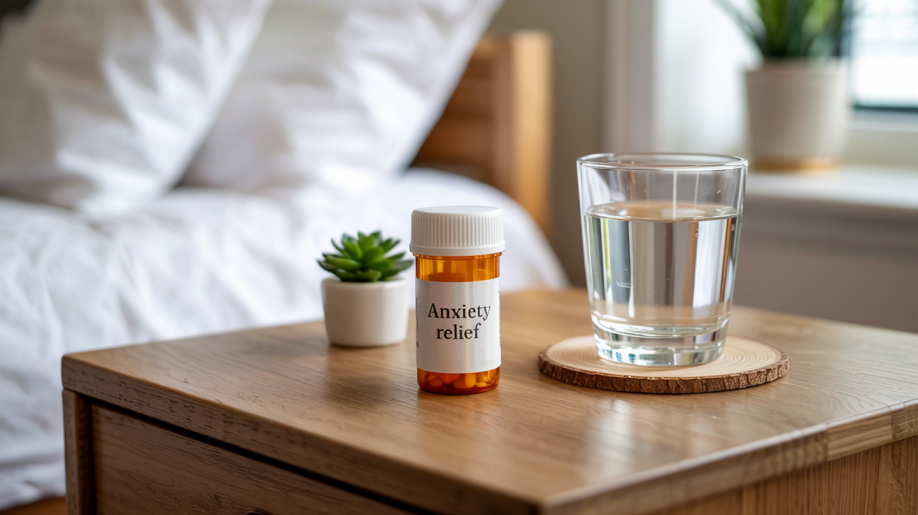
Anxiety disorders affect millions of people every year — from occasional worry to constant feelings of dread that interfere with daily life. If you’re asking, “What is the best treatment for anxiety?” you’re not alone.
The truth is: There’s no one-size-fits-all solution for an anxiety disorder. But the good news is that anxiety is one of the most treatable mental health conditions, with a range of proven treatment options that can help reduce anxiety, manage anxiety disorders, and help you feel like yourself again.
In this guide, we’ll break down what an anxiety disorder is, why personalized care is key, and the most effective treatment options available today — so you can feel confident about your next steps
What Is an Anxiety Disorder?
An anxiety disorder is more than just occasional stress or worry; it’s a mental health condition defined by excessive fear or anxiety that interferes with daily life. According to the Statistical Manual of Mental Disorders, there are many different types of anxiety disorders, including panic disorder, social anxiety disorder, separation anxiety disorder, and generalized anxiety disorder.
People with anxiety disorders often experience both emotional and physical symptoms. Physical symptoms of anxiety can include sweating, rapid heartbeat, headaches, or trouble sleeping. The prevalence of anxiety disorders is high, making anxiety disorders in adults the most common mental health condition worldwide.
Understanding the range of anxiety disorders is important for diagnosis and treatment. A health professional will diagnose anxiety using criteria in the Statistical Manual of Mental Disorders. If you’ve been diagnosed with an anxiety disorder, the good news is there are many effective treatments for anxiety disorders that help manage anxiety and bring relief of anxiety symptoms.
Common Types of Anxiety Disorders
Generalized Anxiety Disorder (GAD):
Ongoing worry about everyday things with no clear cause is a hallmark of generalized anxiety disorder.
Panic Disorder:
Intense fear or anxiety marked by sudden panic attacks.
Social Anxiety Disorder:
A type of anxiety disorder that involves fear of being judged in social settings.
Specific Phobias:
Extreme fear of certain objects or situations.
Separation Anxiety Disorder:
Fear of being separated from loved ones.
Different types of anxiety disorders require different treatment approaches — that’s why there’s no single “best” treatment for anxiety.
How Does Generalized Anxiety Disorder Differ from Other Types?
Generalized anxiety disorder is persistent, excessive worry about multiple aspects of daily life. Unlike specific phobias or social anxiety, generalized anxiety disorder doesn’t always have one clear trigger. This generalised anxiety can last for months or years if untreated.
People with generalized anxiety disorder in adults may feel restless, easily fatigued, or have trouble sleeping. Knowing the history of anxiety and how generalised anxiety develops helps mental health professionals build a treatment plan that fits your unique needs.
Treatment for generalized anxiety disorder often includes therapy, lifestyle adjustments, and sometimes pharmacological treatment. Learning how to manage anxiety and reduce anxiety symptoms is key to improving your life.
.
What Are the Common Symptoms of Anxiety?
Recognizing the symptoms of an anxiety disorder can help you get help early. Common anxiety signs include constant worry, irritability, and difficulty concentrating. The physical symptoms of anxiety — like headaches or muscle tension — can mimic other conditions, which is why a proper diagnosis and treatment plan from a health professional is essential.
Symptoms of anxiety may include panic attacks, which are sudden, intense surges of fear or anxiety. By understanding anxiety symptoms early, people with anxiety disorders can get the right treatment for anxiety and help prevent anxiety from getting worse.
Is There a Single “Best” Treatment for Anxiety?
Many people wonder if there’s one effective treatment for anxiety. The truth is: there isn’t one magic fix for every anxiety disorder. Your approach to treating anxiety should be personalized and based on:
- The type of anxiety disorder you have
- The severity of anxiety
- Any other mental health or mood disorders
- Your medical history
- Your lifestyle and support system
Many health professionals recommend combining therapy, medications for anxiety disorders, and lifestyle changes to help manage anxiety disorders and bring lasting relief.
Most Effective Anxiety Treatments Backed by Research
Let’s break down the treatment approaches that experts trust to help patients with anxiety find relief.
1️⃣Cognitive Behavioral Therapy (CBT)
Cognitive behavioral therapy (CBT) is widely regarded as one of the most effective treatments for anxiety disorders. CBT for anxiety helps you identify what triggers anxiety and replace negative thought patterns with healthier ones.
✅ How CBT Works:
- Teaches you how to manage anxiety in real time
- Helps you face situations that trigger anxiety
- Provides coping tools to reduce anxiety and worry
CBT is effective for panic disorder, generalized anxiety disorder, social anxiety disorder, and other types of anxiety. Many people see results in 12–20 sessions, but some benefit from ongoing talk therapy.
2️⃣Medication Options
Medication is another proven approach to treating anxiety disorders. Antidepressants for anxiety, such as SSRIs or SNRIs, are common options. These medications can help balance brain chemicals and reduce your anxiety so therapy is more effective.
Benzodiazepines may be used for severe anxiety or panic disorder but are generally for short-term use due to dependence risks. Beta-blockers can help with physical symptoms of anxiety, especially in social anxiety.
Always consult a health professional to decide if pharmacological treatment is right for you.
3️⃣Lifestyle Changes for Anxiety Relief
Healthy habits help treat anxiety disorders and prevent anxiety from worsening. Tips include:
- Exercise daily to help manage anxiety and stress and anxiety levels
- Get quality sleep, which is crucial for mental health
- Eat a balanced diet and limit caffeine or alcohol
- Stay connected to supportive people — join a group for people with anxiety
- Learn mindfulness techniques to help reduce anxiety
4️⃣Mindfulness & Relaxation Techniques
Mindfulness, meditation, and yoga are great complementary tools for treating anxiety. These practices help manage anxiety by teaching you to observe thoughts without judgment, which can reduce anxiety and worry.
5️⃣Alternative & Complementary Therapies
Other options that help treat anxiety include acupuncture, massage, aromatherapy, or certain herbal supplements (always check with your health professional). These can help with symptoms of anxiety and stress.
Why Is Therapy So Effective for Treating Anxiety?
Therapy — especially cognitive behaviour therapy — is the gold standard for the treatment of anxiety disorders. Talk therapy helps patients understand the root cause of their anxiety disorder and learn strategies to manage anxiety disorders long term.
Psychological therapies like exposure therapy can also be combined with CBT. Exposure therapy gradually helps you face fears that trigger anxiety. Many people with an anxiety disorder find that therapy provides lasting relief of anxiety symptoms and helps them feel more in control.
Is Cognitive Behaviour Therapy the Best Treatment for Anxiety?
Cognitive behavioural therapy is often the first-line approach for treating anxiety disorders. CBT is highly effective for generalized anxiety disorder, panic disorder, and social anxiety disorder.
Studies show CBT helps patients with anxiety learn practical skills to reduce anxiety and cope with anxiety and worry. Many mental health professionals combine CBT with medication for an even more effective treatment for anxiety.
Are There Medications or Antidepressants for Anxiety?
Medications for anxiety disorders, especially antidepressants for anxiety, can be life-changing when combined with therapy for anxiety. SSRIs and SNRIs are common pharmacological treatment options. Short-term benzodiazepines are sometimes prescribed for severe anxiety or panic disorder.
A health professional will help you decide the right combination for your unique type of anxiety disorder.
.
Can Exposure Therapy Help Reduce Anxiety?
Exposure therapy is one of the best psychological therapies for treating anxiety. By facing fears in a controlled setting, patients with anxiety learn to manage anxiety and reduce anxiety symptoms over time.
Exposure therapy works well for social anxiety disorder, panic disorder, and specific phobias — and it’s often used alongside cognitive behavioural therapy for better results.
How to Create a Personal Treatment Plan for Anxiety Disorders
Every anxiety disorder is unique. A personalized treatment plan is the best way to treat anxiety disorders. Your plan may include therapy, medications for anxiety disorders, lifestyle changes, and stress management tools. If you experience anxiety and depression together, your treatment plan may include treatment of depression as well.
Regular check-ins with your mental health professional help keep your treatment plan on track and effective.
How to Find the Right Mental Health Professional for Therapy
The right mental health professional can help you with your anxiety and provide support. Look for someone experienced in treating anxiety disorders in adults, who offers cognitive behavioral therapy, exposure therapy, or other talk therapy.
Joining a support group for people with anxiety can also help you feel less alone and share coping strategies.
Final Thoughts: You’re Not Alone
An anxiety disorder often feels overwhelming, but help is out there. The best treatment for anxiety depends on your needs. Therapy, medication, lifestyle changes, or all three can help manage anxiety disorders and improve your mental health.
✅Ready to start?
Reach out to a mental health professional and create your plan for lasting relief today.
Take the First Step Toward Mental Wellness
While there’s no single “best” treatment for bipolar disorder, there is a best treatment plan — the one that works for you. With the right combination of medication, therapy, lifestyle changes, and support, stability and a full life are absolutely possible. Looking for bipolar disorder treatment in Clinton, MD? Our specialists are ready to help you find the best treatment plan for your needs.
FAQs About Anxiety Treatment
How long does anxiety treatment take?
Every patient is different. Many feel better in a few months of therapy for anxiety, but some need ongoing support.
Can anxiety go away on its own?
Mild anxiety may improve, but untreated anxiety or depression often gets worse. Professional treatment is the best way to manage anxiety.
Are there natural remedies for anxiety?
Some people use herbal supplements, mindfulness, or yoga. Always check with a health professional before adding new remedies.
What triggers anxiety?
Genetics, stress, and brain chemistry can trigger anxiety. Knowing your triggers can help manage anxiety.
Are there two main treatments for anxiety?
Yes — therapy and medication are the two main treatments for anxiety.