

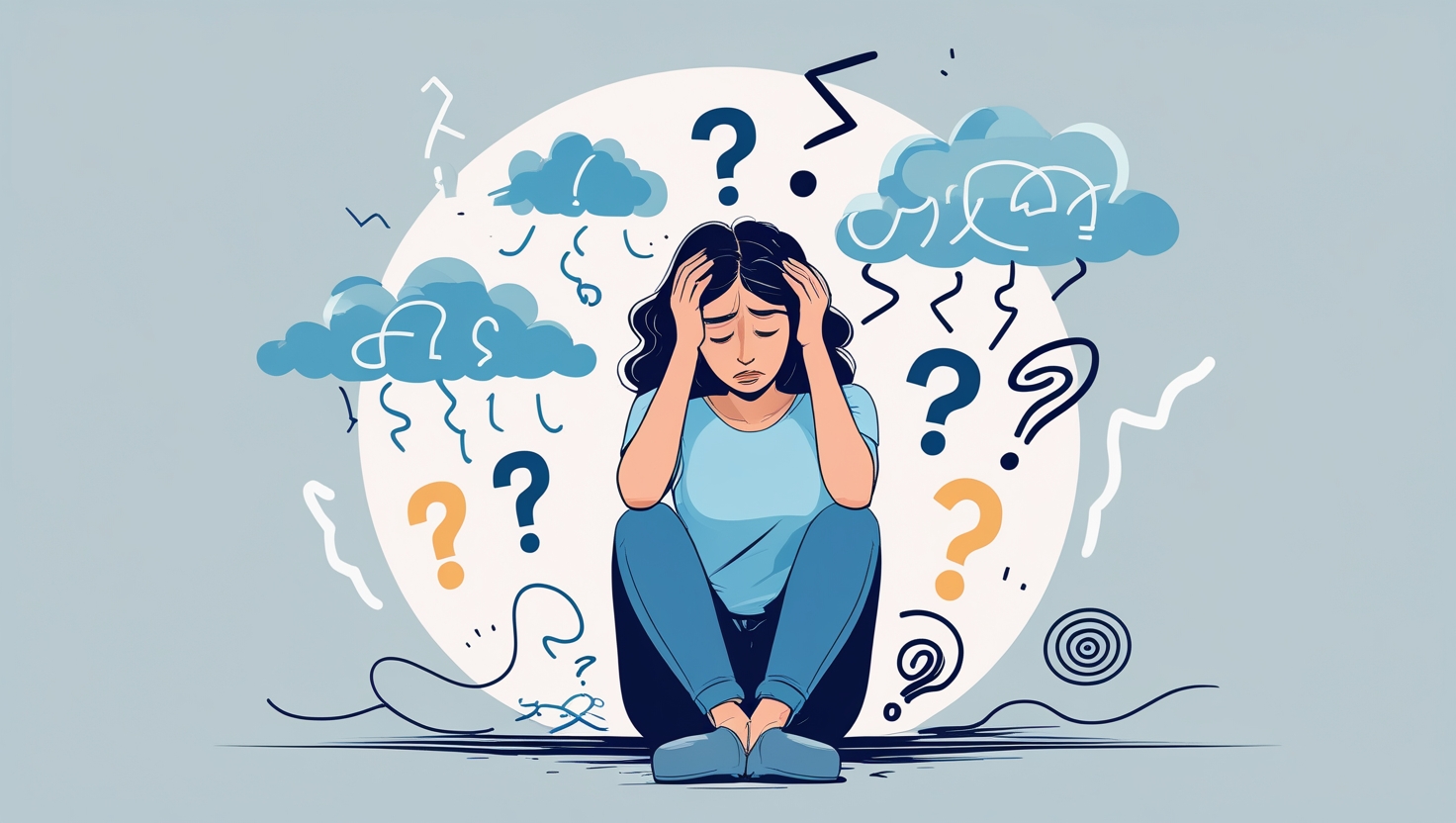
This guide provides a detailed list of 100 anxiety symptoms that people commonly experience, helping you recognize and understand the impact of anxiety.
Anxiety disorders are among the most common mental health conditions, affecting millions of people worldwide. They can cause physical, emotional, and cognitive symptoms that interfere with daily activities. In this article, we will explore the various types of anxiety disorders, their symptoms and causes, and the available treatments to help manage anxiety effectively.
What Is an Anxiety Disorder?

An anxiety disorder involves excessive fear or anxiety that is out of proportion to the actual situation. While anxiety is a normal reaction to stress, people diagnosed with an anxiety disorder may experience persistent, intense fear that interferes with their daily activities. Anxiety disorders include several specific conditions, such as generalized anxiety disorder, panic disorder, and social anxiety disorder.
Understanding Anxiety Symptoms
Anxiety symptoms vary from person to person, but they typically fall into four main categories: physical symptoms, emotional symptoms, cognitive symptoms, and behavioral symptoms. While some symptoms are well-known, others may be surprising or misinterpreted as unrelated health issues.
If you frequently experience any of the following symptoms, it may be a sign that anxiety is affecting you more than you realize.
Types of Anxiety Disorders
There are several types of anxiety disorders, each with its own unique characteristics. Understanding these can help with diagnosis and treatment.
Generalized Anxiety Disorder (GAD)

GAD is characterized by excessive anxiety and worry about various aspects of life, including work, health, and relationships. People with GAD may experience physical symptoms such as muscle tension, shortness of breath, and heart palpitations.
Panic Disorder

Panic disorder involves recurrent anxiety and panic attacks, which are sudden episodes of intense fear accompanied by physical symptoms like pounding heart, chest pain, and shortness of breath. Panic attacks may occur unexpectedly or be triggered by specific situations.
Social Anxiety Disorder

Social anxiety disorder, also known as social phobia, causes intense fear of social situations where one might feel judged or embarrassed. People with social anxiety disorder may experience symptoms such as excessive sweating, trembling, and difficulty speaking in social situations.
Specific Phobias

A specific phobia is an intense fear of a particular object or situation, such as heights, flying, or animals. This fear is out of proportion to the actual danger posed by the situation.
Separation Anxiety Disorder

Separation anxiety disorder is more common in children but can also affect adults. It involves excessive fear of being separated from loved ones, leading to distress and avoidance behaviors.
Post-Traumatic Stress Disorder (PTSD)

PTSD can develop after experiencing or witnessing a traumatic event. Symptoms may include flashbacks, nightmares, and heightened anxiety.
Symptoms of Anxiety Disorders

Anxiety disorders can cause a wide range of symptoms, which can be categorized into physical, emotional, cognitive, and behavioral symptoms.
Physical Symptoms of Anxiety
Anxiety activates the body’s stress response, which can cause a wide range of physical symptoms. Some people experience mild symptoms, while others may feel severe discomfort.
- Rapid heartbeat or palpitations
- Shortness of breath or difficulty breathing
- Tightness or pain in the chest
- Dizziness or lightheadedness
- Muscle tension or body aches
- Trembling or shaking
- Excessive sweating, even without physical exertion
- Cold or clammy hands and feet
- Digestive issues (nausea, bloating, diarrhea, constipation)
- Dry mouth or throat tightness
- Frequent need to urinate
- Ringing in the ears (tinnitus)
- Blurred vision or eye strain
- Unexplained fatigue or weakness
- Frequent headaches or migraines
- Feeling excessively hot or cold
- Sudden chills or hot flashes
- Tingling or numbness in hands and feet
- Increased sensitivity to pain
- Uncontrollable yawning or sighing
Emotional Symptoms of Anxiety
Anxiety affects emotions in complex ways, leading to persistent feelings of fear, worry, or unease.
- Persistent sense of dread or doom
- Feeling constantly on edge
- Sudden mood swings
- Increased irritability or frustration
- Unexplained sadness or crying spells
- Emotional numbness or detachment
- Intense feelings of guilt or shame
- Uncontrollable feelings of panic
- Feeling overwhelmed by small tasks
- Sudden bursts of anger or outbursts
- Low self-esteem or self-doubt
- Feeling disconnected from loved ones
- Difficulty enjoying previously loved activities
- Increased sensitivity to criticism
- Fear of being judged or embarrassed
- Restlessness or inability to relax
- Constant worry about future events
- Feeling like something bad is going to happen
- Fear of losing control
- Difficulty trusting others
Cognitive Symptoms of Anxiety
- Anxiety can alter the way you think, often leading to persistent negative thought patterns.
- Racing thoughts that won’t stop
- Difficulty concentrating or focusing
- Memory lapses or forgetfulness
- Intrusive or obsessive thoughts
- Overanalyzing situations
- Constantly thinking about worst-case scenarios
- Feeling mentally drained or exhausted
- Experiencing brain fog
- Inability to make decisions
- Frequent indecisiveness
- Fear of making mistakes
- Difficulty processing information
- Trouble finding the right words
- Tunnel vision in high-stress moments
- Feeling easily overwhelmed by information
- Misinterpreting situations as threatening
- Increased sensitivity to noise or light
- Over-fixation on small details
- Experiencing déjà vu frequently
- Feeling disconnected from reality (derealization)
- Racing thoughts that won’t stop
Behavioral Symptoms of Anxiety
Anxiety can significantly change behaviors, often without people realizing it.
- Avoiding social interactions
- Procrastination or avoidance of tasks
- Constantly seeking reassurance from others
- Increased reliance on alcohol, caffeine, or other substances
- Engaging in repetitive behaviors (e.g., checking things repeatedly)
- Nail-biting or skin-picking
- Hair-pulling (trichotillomania)
- Pacing or restlessness
- Difficulty maintaining eye contact
- Frequently canceling plans
- Overexplaining or apologizing excessively
- Struggling with routine changes
- Increased perfectionism
- Fear of answering phone calls or messages
- Feeling the need to control everything
- Increased self-isolation
- Over-reliance on distractions (e.g., excessive screen time)
- Frequent sighing or deep breathing
- Changing eating habits (overeating or loss of appetite)
- Experiencing sudden bursts of energy followed by exhaustion
.
Uncommon Anxiety Symptoms
Some symptoms of anxiety are not commonly recognized but can be just as distressing.
- Phantom vibrations (thinking your phone is ringing)
- Feeling like your surroundings are unreal
- Sudden loss of smell or taste
- Increased sensitivity to certain textures or sounds
- Random episodes of overheating
- Feeling like you’re floating or ungrounded
- Unexplained muscle spasms or jerks
- Seeing flashes of light or spots in vision
- Temporary difficulty swallowing
- Experiencing random muscle weakness
- Sudden aversion to strong smells or sounds
- A sense of being disconnected from your body
- Hearing ringing sounds with no external source
- Feeling like time is moving too fast or too slow
- Sharp chest pains with no medical cause
- Random feelings of deja vu
- Waking up feeling panicked for no reason
- Experiencing tingling sensations without a clear cause
- A sense of impending doom that comes and goes
- Unexplained feelings of nostalgia or regret
Causes of Anxiety Disorders

The causes of anxiety disorders can be complex and multifactorial, involving genetic, environmental, and psychological factors.
Anxiety can also be caused by biological factors, social situations, and major life stressors. Agoraphobia is another anxiety disorder that can result from intense fear of situations where escape might be difficult.
Biological Factors
Anxiety disorders often run in families, suggesting a genetic predisposition. Additionally, imbalances in brain chemistry can contribute to excessive anxiety.
Environmental Triggers
Stressful life events, such as trauma, abuse, or major life changes, can trigger anxiety disorders. Social situations and work-related stress can also contribute.
Psychological Factors
People with certain personality traits, such as perfectionism or high sensitivity to stress, may be more prone to developing anxiety disorders.
How to Diagnose Anxiety Disorders
A mental health professional can diagnose anxiety disorders through a combination of clinical interviews, questionnaires, and medical evaluations. The American Psychiatric Association provides diagnostic criteria for various mental disorders in the DSM-5.
Effective Treatments for Anxiety Disorders

There are several treatments available that can help treat anxiety disorders effectively.
Talk Therapy
Talk therapy, such as cognitive-behavioral therapy (CBT), is one of the most effective treatments for anxiety disorders. It helps individuals change negative thought patterns and develop coping strategies.
Medications
Certain medications, such as antidepressants and anti-anxiety drugs, can help reduce symptoms of anxiety. However, medication should be used under the guidance of a healthcare professional.
Lifestyle Changes
Making lifestyle changes can help manage anxiety symptoms and improve physical health. These include:
- Regular exercise
- Healthy diet
- Adequate sleep
- Stress management techniques, such as mindfulness and deep breathing exercises
When to Seek Help for Anxiety Disorders
If anxiety symptoms interfere with daily activities and cause significant distress, it is essential to seek help from a healthcare professional. Early intervention can make treatment more effective and prevent anxiety from worsening.
Final Thoughts
Anxiety affects everyone differently, and its symptoms can be both obvious and unexpected. Recognizing the signs and understanding how they impact your life can help you take control and find relief. If anxiety is becoming overwhelming, consider speaking with a mental health professional to explore treatment options and coping strategies.