

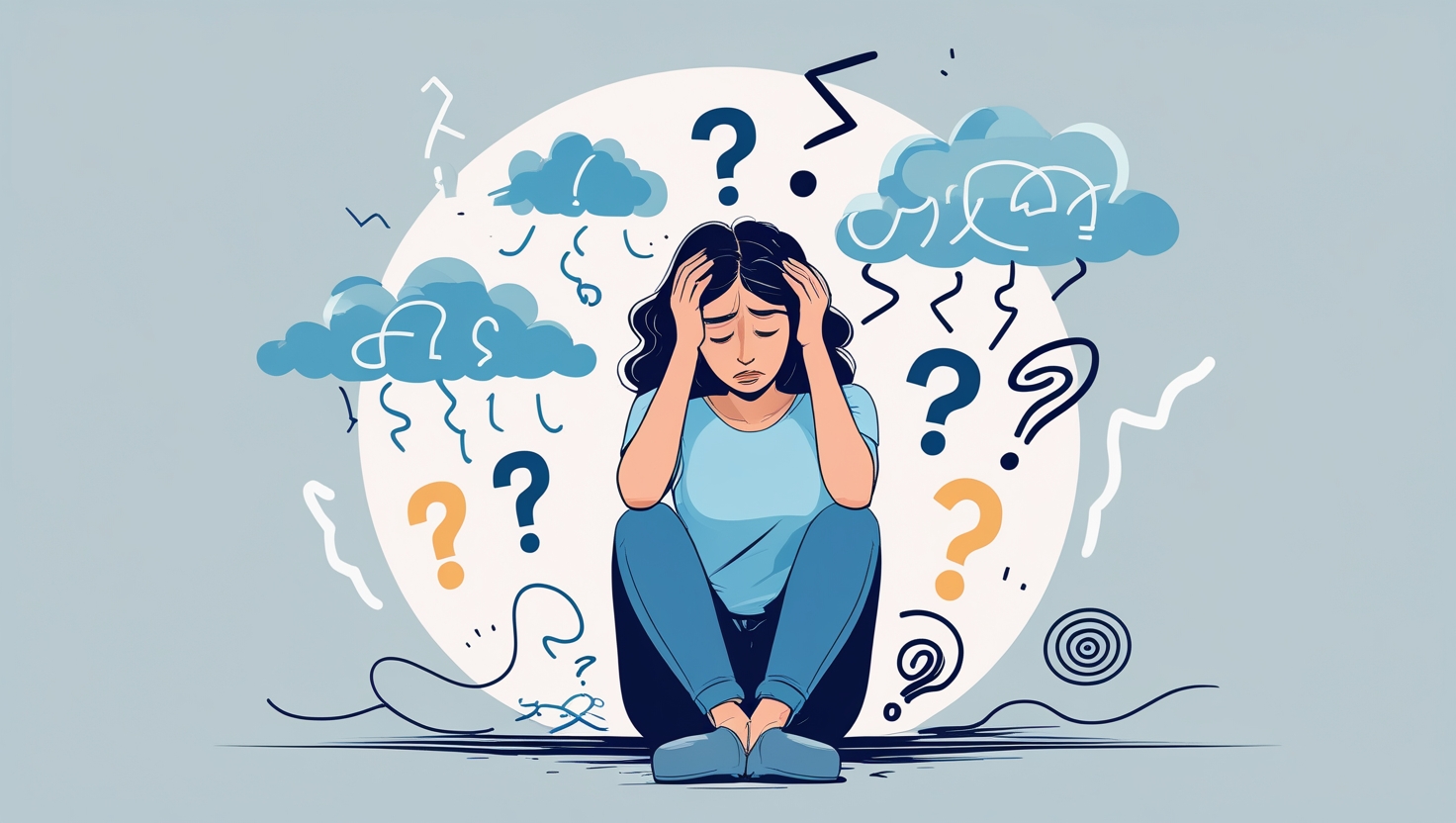
In this guide, we’ll explore alternative treatments for depression, from natural remedies to mind-body practices, and answer common questions about safety, effectiveness, and how to combine them with conventional care.
Depression is a complex mental health condition that can affect every part of life — from mood and energy levels to relationships and daily functioning. While traditional treatments like medication and psychotherapy remain first-line approaches, many people also explore depression alternative therapies as part of an integrative plan for emotional well-being.
Disclaimer: This article is for informational purposes only and is not a substitute for professional medical advice. Always speak to your healthcare provider before starting any new treatment for depression.
What Is Treatment-Resistant Depression?
Treatment-resistant depression refers to cases where patients show little or no improvement despite using at least two different types of antidepressant medication. This condition is associated with more severe forms of major depressive disorder and often requires advanced interventions.
Patients with treatment-resistant depression may benefit from approaches beyond standard prescriptions, such as electroconvulsive therapy, repetitive transcranial magnetic stimulation, or newer forms of brain stimulation treatment. These methods are used to treat depression that does not respond to conventional care.
Since resistant depression can have devastating effects on daily functioning, it is important to explore options for treatment that combine both traditional and alternative treatments for depression.
What Role Does Therapy Play in Depression Treatment?
Therapy remains one of the most effective treatment options for depression, especially for people with major depressive disorder or depression and anxiety. Different types of therapy are designed to address underlying causes of depression, from unresolved trauma to stress management.
For example, cognitive behavioral therapy (CBT) and its variation, cognitive behavioural therapy, focus on challenging negative thought patterns and promoting healthier coping skills. Similarly, dialectical behavioral therapy is effective in treating patients with more severe forms of mood disorders, including post-traumatic stress disorder and unipolar depression.
When a mental health professional develops a treatment plan, therapy in depression often includes a mix of talk therapy and psychotherapy for depression. These approaches are considered effective in treating depression and have been supported by multiple randomized controlled trials and a systematic review and meta-analysis.
Why Consider Depression Alternative Therapies?
Not everyone responds the same way to antidepressants or talk therapy. Some people experience side effects, while others may not find full relief. Exploring depression alternative therapies offers:
- Personalized healing – focusing on individual needs and lifestyles.
- Holistic benefits – improving physical, emotional, and spiritual well-being.
- Fewer side effects – when compared to long-term reliance on certain medications.
- Empowerment – giving individuals more control in their recovery journey.
While these therapies are not always substitutes for medical treatment, they can complement conventional care and provide additional support.
Natural Remedies for Depression
When people think of natural remedies for depression, they often look for treatments that come from herbs, nutrients, or lifestyle changes that don’t involve pharmaceuticals. Here are some of the most popular options:
1. Herbal Supplements
- St. John’s Wort: Widely studied for mild to moderate depression. Some evidence suggests it may work similarly to antidepressants by increasing serotonin levels.
- Saffron: Clinical trials indicate saffron may have mood-lifting properties comparable to prescription drugs.
⚠️Important: Herbal supplements can interact with medications, so always consult a doctor before use.
2. Omega-3 Fatty Acids
Found in fish oil and flaxseed, omega-3 fatty acids support brain health and may reduce symptoms of depression. Research suggests that diets rich in omega-3s are linked to lower rates of mood disorders.
3. Vitamin D
Vitamin D deficiency is common and strongly associated with depression. Getting more sunlight exposure or taking supplements may help stabilize mood.
4. Regular Exercise
Exercise is one of the most powerful natural remedies for depression. Activities like running, yoga, or even walking can boost serotonin and endorphins, reducing feelings of sadness and improving energy.
Complementary Therapies for Depression
Complementary therapies for depression are meant to be used alongside traditional care, not in place of it. They can significantly improve treatment outcomes.
1. Mindfulness and Meditation
Practicing mindfulness reduces negative thought patterns, stress, and rumination—common triggers for depression.
2. Yoga and Tai Chi
These mind-body practices combine physical movement with breathwork and meditation, improving both mental clarity and physical health.
3. Acupuncture
This ancient Chinese practice may regulate neurotransmitters linked to mood, helping some patients reduce symptoms.
4. Massage Therapy
By lowering stress hormones like cortisol and promoting relaxation, massage can be a valuable addition to depression treatment.
Integrative Medicine for Depression
Integrative medicine for depression combines conventional treatments (like therapy and medication) with holistic practices. This approach focuses on treating the root causes rather than just the symptoms.
An integrative treatment plan may include:
- Medication management alongside nutritional counseling.
- Cognitive behavioral therapy (CBT) combined with meditation or acupuncture.
- Personalized diet plans focused on brain health and inflammation reduction.
- Sleep regulation strategies to restore natural rhythms.
This model works best under the supervision of a licensed integrative medicine practitioner who can coordinate care safely.
Lifestyle-Based alternative treatments for depression
Sometimes the simplest lifestyle shifts can make a significant impact on depression symptoms.
1. Nutrition and Diet
- Whole foods, fruits, vegetables, lean proteins, and complex carbohydrates can stabilize blood sugar and support brain health.
- Avoiding processed foods and excess sugar may reduce mood fluctuations.
2. Consistent Sleep Patterns
Sleep is crucial for emotional regulation. Creating a routine with 7–9 hours of rest each night can dramatically improve mood.
3. Social Support and Connection
Isolation often worsens depression. Building strong relationships and community support networks can provide essential emotional resilience.
4. Nature Therapy (Ecotherapy)
Spending time outdoors, walking in the woods, or getting sunlight has proven mood-boosting effects. Even 20 minutes a day can improve mental health.
Creative Therapies as Alternatives
Beyond traditional methods, some creative practices help people express emotions and reduce depressive symptoms:
- Art Therapy – painting, drawing, or sculpting as a form of self-expression.
- Music Therapy – listening, playing, or composing music to reduce stress and improve mood.
- Dance or Movement Therapy – combining physical movement with emotional release.
How Do Antidepressants Work to Treat Depression?
Antidepressants remain a cornerstone of the treatment of depression. They work by targeting brain chemicals like serotonin and dopamine, which regulate mood. Selective serotonin reuptake inhibitors (SSRIs) are the most common antidepressant medication, often prescribed as the first line of medication for depression.
While SSRIs and other traditional antidepressants can be highly effective in the treatment of major depression, not all people with depression respond well. Some suffer from side effects or find that these drugs do not fully ease depression symptoms. For others, taking antidepressants may not provide lasting relief, leading to treatment-resistant depression.
Despite these challenges, studies show that antidepressants are still effective treatment methods when combined with psychotherapy or other alternative therapies. A response to treatment often improves when patients have a comprehensive approach that addresses both biological and psychological aspects of their condition.
Potential Risks of Depression Alternative Therapies
While many alternative treatments are safe, they aren’t risk-free. Some concerns include:
- Herbal remedies interfering with prescription medications.
- Unregulated supplements that lack consistent quality control.
- Over-reliance on alternatives without seeking professional medical support.
The safest approach is to integrate these therapies under the guidance of a healthcare provider.
Are There Alternative Therapies That Can Help Treat Depression?
Yes, many alternative therapies have been studied as remedies to treat depression. These include practices like acupuncture, yoga, meditation, and herbal remedies. Research shows that patients who have used alternative therapies often report improved well-being when combining them with standard care.
Some therapies to treat depression include:
- Acupuncture: This therapeutic practice from traditional Chinese medicine is thought to balance energy and has been used to treat mood disorders.
- Herbal supplements: St. John’s Wort is one of the best-known natural remedies for mild to moderate depression.
- Complementary and alternative approaches: Activities like mindfulness meditation and exercise have been shown to reduce depression and reduce anxiety.
Although these alternative treatments are not replacements for professional care, they may ease depression symptoms and provide additional tools for recovery.
How Effective Is Psychotherapy in Treating Major Depressive Disorder?
Psychotherapy remains a gold standard in the treatment of depressive disorders. When combined with antidepressants, psychotherapy is often effective in the treatment of patients with major depressive disorder.
Different forms of psychotherapy address different needs:
- Cognitive behavioral therapy helps patients recognize and challenge unhelpful thoughts.
- Psychotherapy for depression may also include interpersonal therapy, which focuses on improving relationships that contribute to depressive symptoms.
- Therapies include group or family therapy, which provides social support and helps to reduce isolation.
Psychotherapy not only helps to ease depression symptoms but also addresses the cause of depression, making it an effective depression strategy for both short-term and long-term recovery.
Do Herbal Supplements Really Work for Depression?
Herbal supplements have been studied extensively, and some show promise as remedies for mild depression and mild to moderate depression. St. John’s Wort, saffron, and omega-3 fatty acids are among the most studied.
A systematic review and meta-analysis of randomized controlled trials suggests that these supplements may have a positive effect on depression, but results vary. They can also interact with antidepressant medication, which means consultation with a healthcare provider is essential.
Herbal options can sometimes ease depression and depression and increase energy, but they should be seen as supportive rather than primary treatment options.
How Can I Find a Treatment That Works for Me?
Finding the right treatment for depression is highly personal. For some, a combination of antidepressants, psychotherapy, and alternative therapies works best. For others, advanced options like rTMS or ECT treatment may be necessary.
A qualified mental health professional can help create a tailored treatment plan that addresses depression symptoms, stress and anxiety, and overall physical health. The goal is to select treatment options that are effective in the treatment of your unique needs.
Remember, there is no one-size-fits-all solution. Depression may require ongoing adjustments in care to achieve the best response to treatment.
How Can I Find a Treatment That Works for Me?
Finding the right treatment for depression is highly personal. For some, a combination of antidepressants, psychotherapy, and alternative therapies works best. For others, advanced options like rTMS or ECT treatment may be necessary.
A qualified mental health professional can help create a tailored treatment plan that addresses depression symptoms, stress and anxiety, and overall physical health. The goal is to select treatment options that are effective in the treatment of your unique needs.
Remember, there is no one-size-fits-all solution. Depression may require ongoing adjustments in care to achieve the best response to treatment.
When to Seek Professional Help
Alternative treatments are powerful tools, but they may not be enough for everyone. Seek immediate professional help if you experience:
- Persistent sadness lasting more than two weeks.
- Difficulty functioning at work, school, or in relationships.
- Suicidal thoughts or feelings of hopelessness.
Emergency mental health services are available 24/7—don’t wait to reach out for help.
Final Thoughts
Exploring alternative treatments for depression can provide powerful ways to support healing beyond traditional care. Whether you’re interested in natural remedies for depression, complementary therapies for depression, or integrative medicine for depression, these approaches can help you build a balanced, holistic recovery plan.
The best strategy often blends conventional treatments with holistic practices, creating a comprehensive path to mental wellness. Remember, recovery looks different for everyone—so finding the right combination of therapies is key.
FAQs on Alternative Treatments for Depression
What is the best natural remedy for depression?
There’s no single “best” remedy. Exercise, omega-3 supplements, and mindfulness practices are among the most effective and well-studied natural options.
Can alternative therapies replace antidepressants?
Not usually. Complementary therapies for depression are most effective when combined with medical care, especially for moderate to severe depression.
How effective is acupuncture for depression?
Research is mixed, but some studies show acupuncture can regulate brain chemistry and reduce symptoms when combined with conventional treatment.
Is St. John’s Wort safe?
It may be effective for mild depression, but it can interact with medications like antidepressants and birth control pills. Always consult a doctor first.
What is integrative medicine for depression?
It’s a holistic approach combining medication, therapy, lifestyle changes, and natural remedies to address both symptoms and root causes of depression.